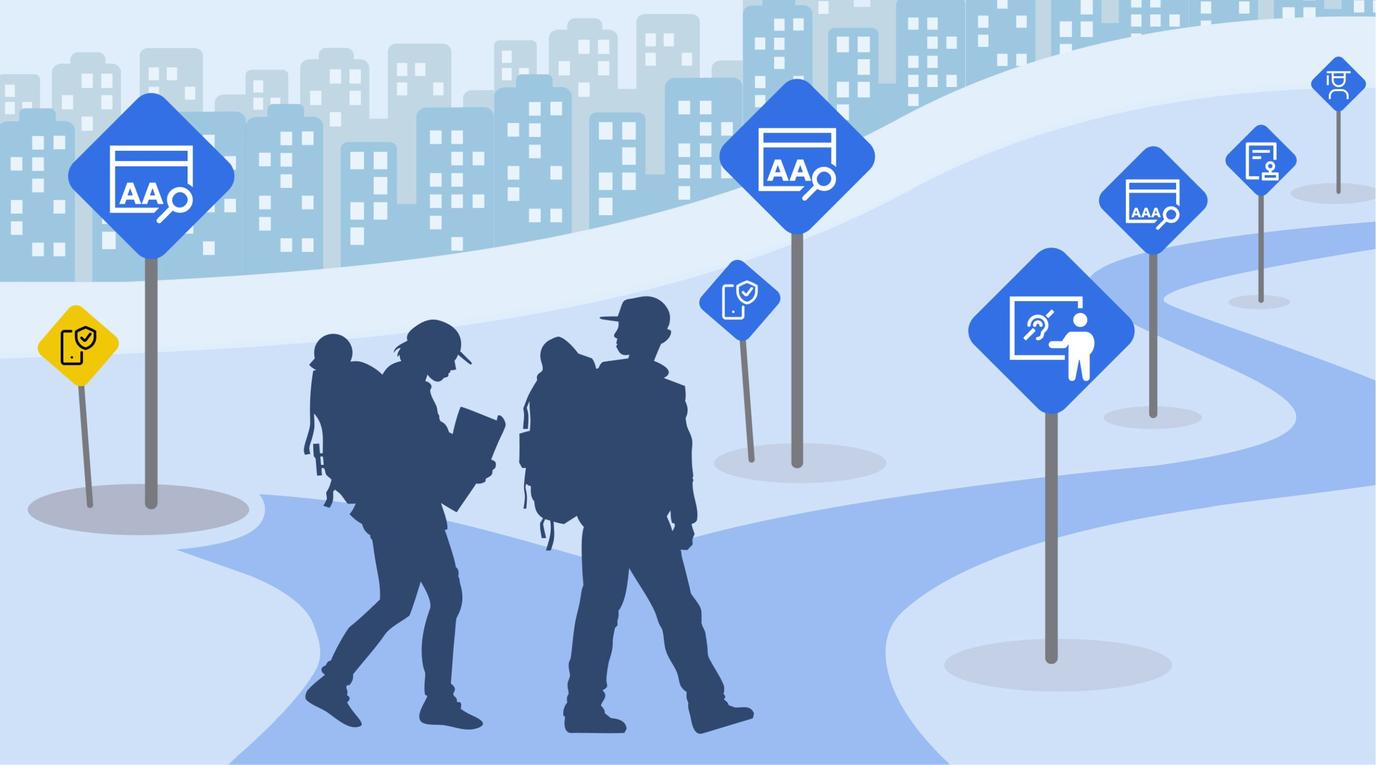
Accessibility gets talked about a lot as a one-stop compliance exercise: get your website to WCAG 2.2 AA and then that’s it. That’s the reactive version, and it’s where most organisations stop. We recognise that accessibility is a whole journey, and we wanted to share the different steps we follow to ensure we’re doing our best when it comes to accessibility.
Training the whole team, not just one person
Every member of staff at We Create Digital has received accessibility training, not just those directly involved in design or development. We have Jonah, our Accessibility Lead, who is CPACC qualified and takes the lead in organising training, sharing knowledge and keeping accessibility on the agenda across the team.
Our developers receive training specific to their roles, and accessible design standards are discussed every week as part of our ongoing work. We’re also supporting Sean, one of our developers, as he prepares to become WAS certified in 2027. We’re also getting multiple members of the team involved in the nuances of accessible app development and testing, making use of ABRA to build our knowledge and experience beyond websites.
The point isn’t to have one accessibility specialist that everyone defers to. It’s to have clear expertise within the team while making accessibility part of how everyone thinks and works, from the initial branding conversation through to design, development and CMS training with the client.
Building the tools we wished existed
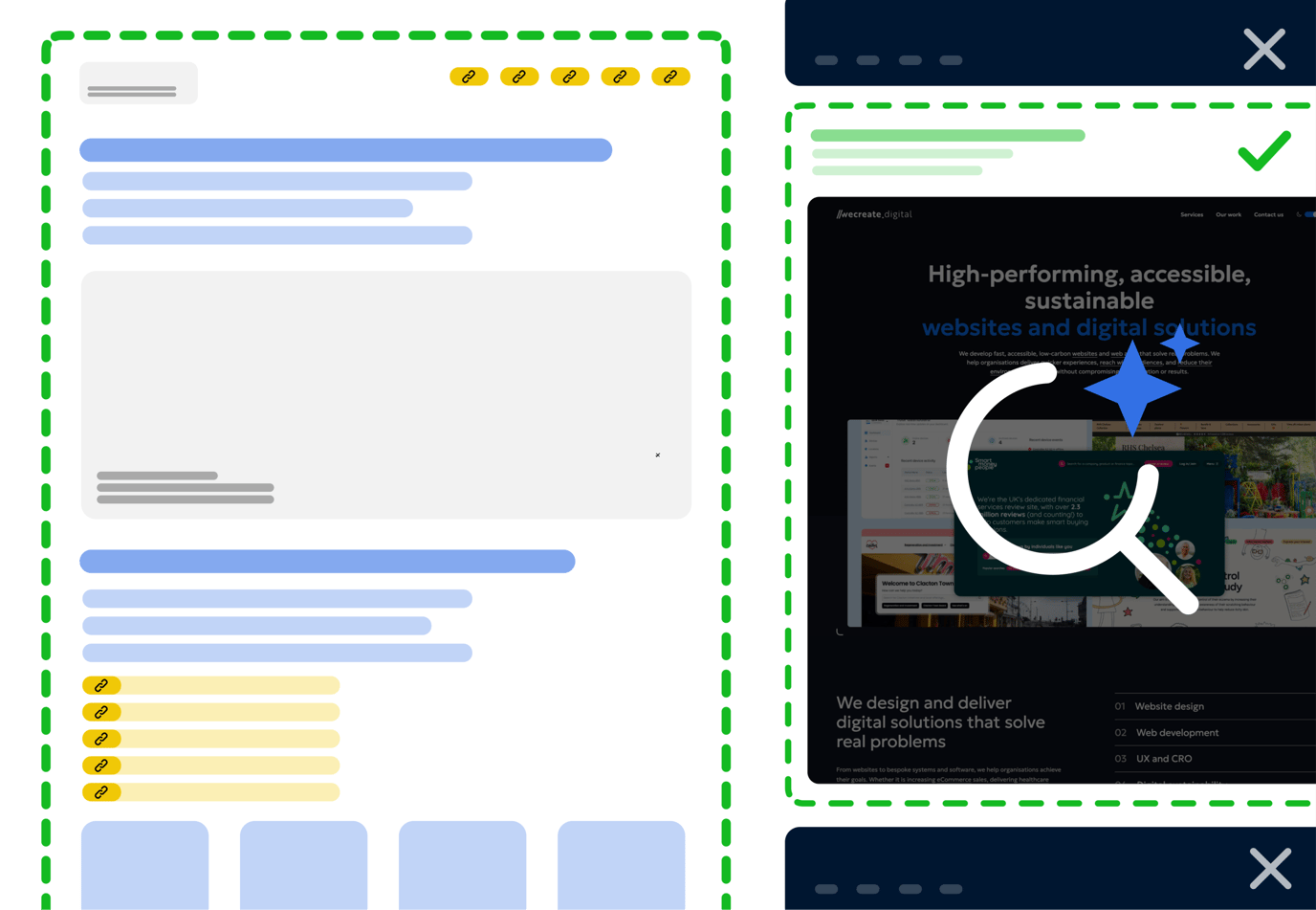
That thinking led us to build Kindweb, our own accessibility, SEO, and carbon auditing tool. We’ve been using it internally, refining it ahead of a public launch planned as a key milestone for 2026. The goal is to make it easy to access and low cost compared with other platforms on the market, aimed particularly at smaller businesses that often can’t stretch their budget beyond the initial website build to cover ongoing accessibility work.
We’re also working with another agency on a sector-based accessibility leaderboard, starting with finance and legal, inspired by projects like the WebAIM Million report but with a narrower sector focus. The aim is to show the scale of accessibility problems within specific industries, and make the case for why more organisations need dedicated accessibility expertise.
Helping our clients understand accessibility
We bring accessibility into the conversation at the start of every project. If a client isn’t familiar with accessibility, we make sure they understand why it matters, who it benefits and what it means for the website we’re building together.
Not every client has the budget for a dedicated accessibility programme or ongoing support. Where that’s the case, we encourage them to educate themselves and make accessibility part of how they approach their own content and digital work. We want to help clients do the best they can for people with disabilities, whatever their budget.
That education also continues beyond the project. We provide accessibility training alongside our CMS training, helping clients understand how to manage their website accessibly after launch. An accessible website shouldn’t become inaccessible because someone adds a new page, uploads an image without appropriate alt text, or publishes content without considering accessibility.
We also invite our clients to the accessibility resources and webinars we create. We’re not just interested in fixing accessibility issues on the websites we build. We want to share what we’re learning, help more people understand accessibility, and contribute to making the wider internet more accessible.
Going beyond the minimum
Most of our client work targets WCAG 2.2 AA, which covers areas like contrast in brand guidelines, accessible layout and mobile design, and writing accessibility guides handed over alongside CMS training. But we’d like to do more AAA-standard work. Our sites often land close to that bar already; it’s usually client appetite rather than capability that stops us going further. It’s an area we want to keep pushing, alongside more guides, cheat sheets, and webinars shared publicly rather than kept internal.
Looking ahead to WCAG 3.0
As well as focusing on delivering client work and considering what we can do within the current WCAG recommendations, we also consider what is next for the future of accessibility. For example, we have been talking about cognitive accessibility for a couple of years, and this is now expected to be incorporated into the changes coming with WCAG 3.0, which has already seen a draft version shared. When clients share briefs that say their new website needs to be WCAG 2.2 AA accessible, we raise questions about whether they have considered 3.0, given any website now should still be live when 3.0 is fully launched.
The changes coming with 3.0 are significant and focusing on neurodivergent users is one aspect of it. It will cover more than just websites, the grading is completely changing, and it won’t be as simple as a pass or fail any more. We want to ensure we are prepared and anticipating how this translates into our design and development work now, to avoid clients having to ‘redo’ anything later because we overlooked the initial approach. This is what happened when the public sector accessibility requirements came in years ago. Many didn’t plan for it early enough and money was spent that could have been used elsewhere.
Having a strategy, not just good intentions
Every year, we create an accessibility strategy that looks at where we are, where we want to improve, and how we can better support our clients and the wider community. We set clear targets for the year and regularly review how we’re progressing against them.
One of the simplest things we’ve found to make a real difference is talking about accessibility every week. It keeps it visible, gives us a regular opportunity to share what we’re learning, and means accessibility doesn’t get pushed down the priority list when other projects become busy.
Our strategy isn’t something we write once a year and put in a folder. It’s a framework for ongoing improvement, and the weekly conversations help turn those goals into practical changes in how we work.
We’ve found that this consistent focus has helped us make much more progress than treating accessibility as something we revisit when a project requires it.
The footnote
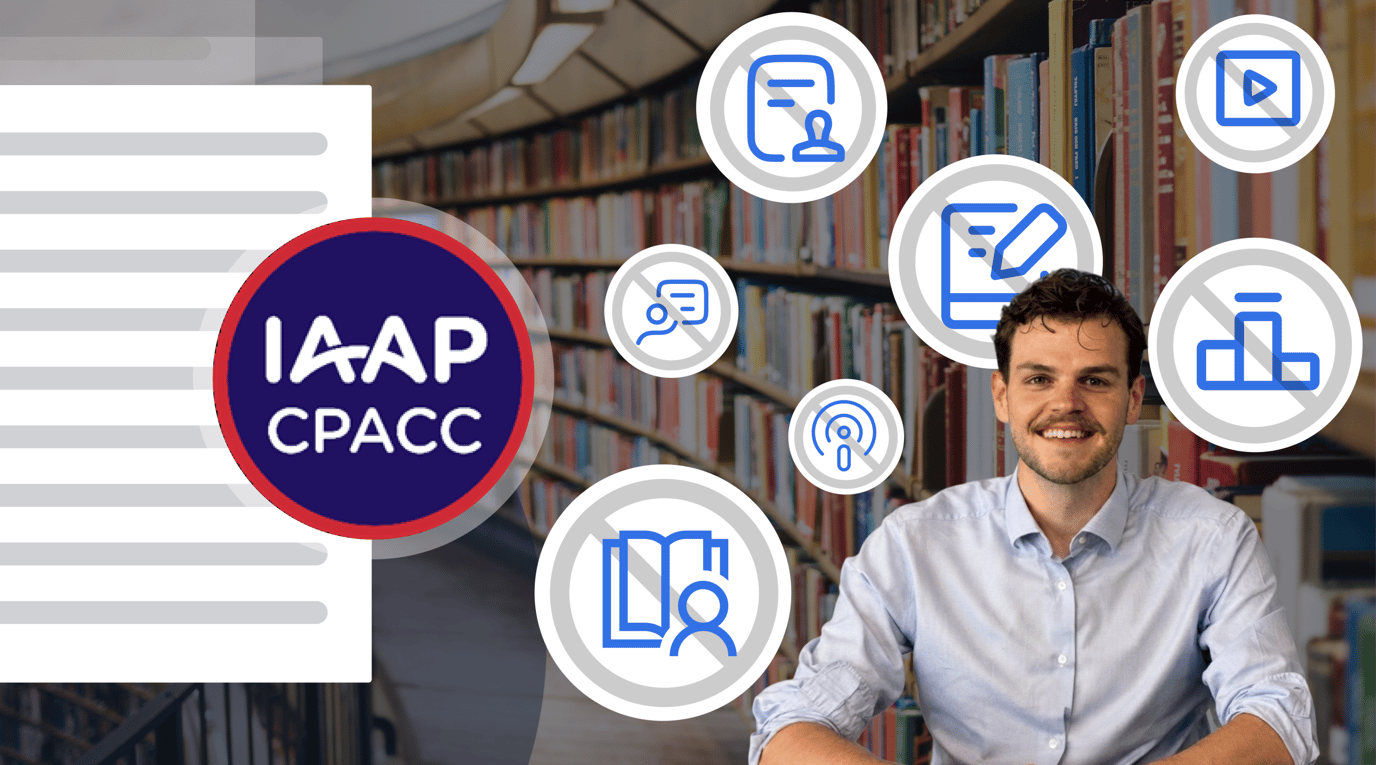
Here’s the part that’s harder to make sense of. As a CPACC-certified accessibility specialist, keeping that certification means earning 45 continuing education credits every three years. Almost none of the work described above counts toward them. Delivering a webinar as paid work doesn’t count. Writing an educational guide doesn’t count. Recording a YouTube video, running a client training session, none of it counts. The only activity that reliably does is watching someone else’s webinar.
It’s a strange system, one that seems to value passively consuming content over actively creating it, and it’s a small but telling example of what reactive, checkbox-shaped thinking looks like when you compare it to the work above. We’ll keep doing the work regardless of whether it earns a credit. But it would be nice if the credit system eventually caught up to it.