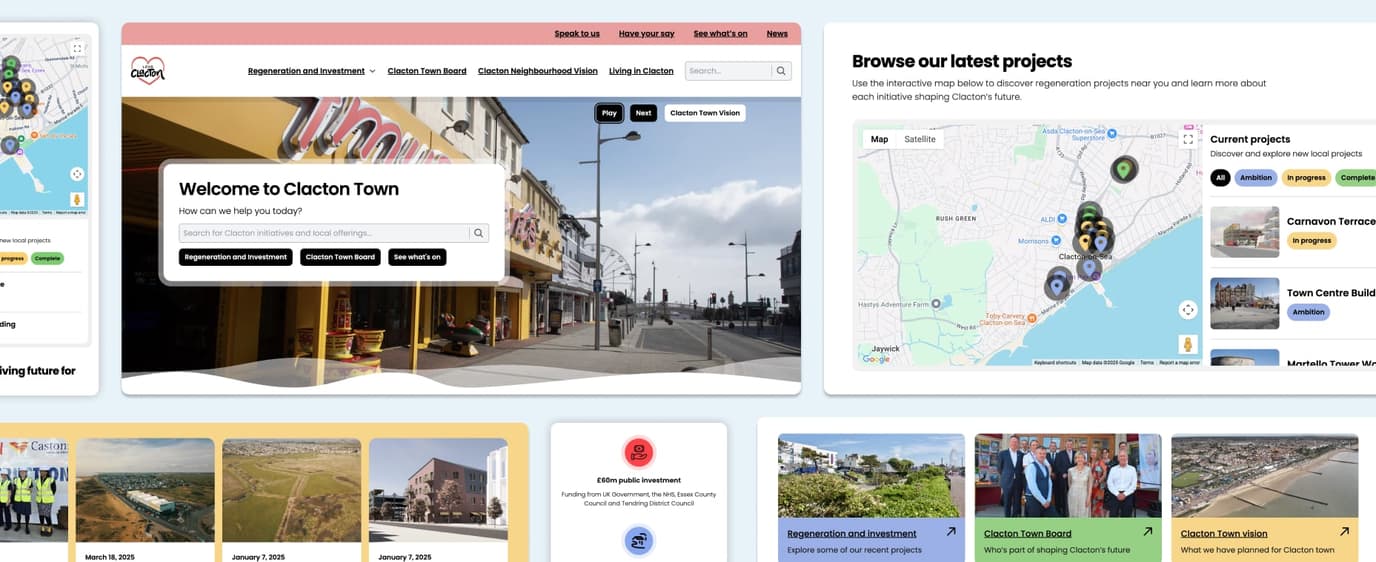
A website isn’t just a design project. It’s a decision-making tool that has to work for users, search engines, and the business at the same time. Sector knowledge can help, but without strong foundations, even the most “specialist” site can underperform.
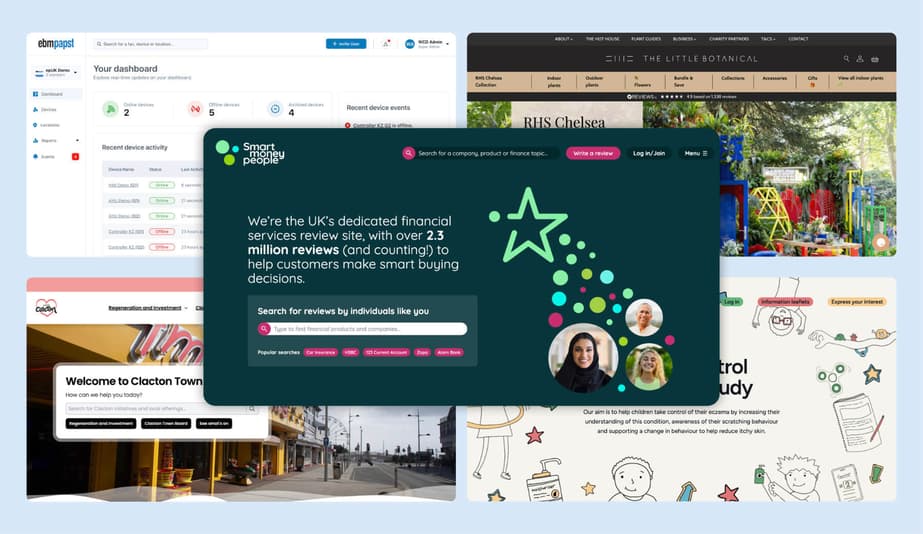
A website isn’t a design project. It’s a decision-making tool that needs to serve users, search engines, and the business at the same time.
We often speak to organisations who’ve invested in a sector specialist, yet their website still underperforms. It looks fine and reads well, but it doesn’t generate enquiries, rank well, reduce support questions, or help users take the next step.
Sector understanding helps. It gives context, improves language, and prevents basic mistakes. But it’s not what makes a website work.
A successful site is built on multiple foundations including: user experience; structure; content; SEO; performance; accessibility; and trust.
1. User experience: does this feel easy?
Most users arrive with a goal in mind, and very little patience. They’re not looking to explore your website; they’re trying to get to an answer quickly, work out if they can trust you, and decide what to do next.
The biggest user experience problems are rarely complicated. They’re usually small moments of friction that add up: navigation that doesn’t make sense, service pages that feel vague, content that doesn’t answer obvious questions, or forms that ask for too much too soon.
A good website removes effort, but a bad one makes users work, and they leave.
2. Structure: can users and search engines make sense of it?
Structure is one of the most important parts of a website, but it’s usually addressed late, after design has already shaped the site.
However, a clear structure makes content easy to find, helps SEO perform properly, and gives users confidence that they’re in the right place. It also makes the site easier to maintain and grow over time, because you’re not constantly fighting the navigation or guessing where new content should live.
When structure is weak, everything becomes harder. Content gets duplicated, key pages get buried, and SEO turns into trial and error. Even internal conversations become messy because everyone has a different idea of what should go where.
3. Content: do you answer the right questions?
Many websites don’t have a lack of content. They have a relevance problem. The information is there, but it’s not answering the questions people actually have, or it’s buried in the wrong place.
Users are usually trying to work out a few simple things: is this for me, what are my options, what does it cost, how does it work, can I trust you, and what happens next if I get in touch.
If those questions aren’t answered clearly, users either pick up the phone, send an email, or leave. None of those outcomes are what you’re looking for. The first two create extra work, and the third loses the opportunity entirely.
We’re also seeing more and more websites filled with AI-generated content. AI isn’t the issue in itself. Used well, it can help teams move faster and clarity. The problem is when it becomes filler or when it hasn’t been reviewed. You can usually tell straight away when copy has been generated without real intent. It reads smoothly, but it doesn’t say anything, and the tone feels slightly off. Or sometimes, it is clear it wasn’t proofed at all!
Users notice that too. If the content doesn’t answer their questions, or it doesn’t feel like it was written by a real business, it creates confusion or doubt. And doubt is enough for people to click away.
4. SEO: can people even find you?
SEO is all about visibility. If people can’t find you, the rest of the website doesn’t get a chance to work.
Most SEO problems aren’t dramatic or down to a single issue. They come from websites being built without search in mind. Pages target the wrong intent, metadata is missing or weak, internal linking is an afterthought, and content overlaps in a way that confuses both users and search engines. Over time, the site loses focus and it becomes harder for Google and other search engines to understand what you’re actually about.
Sometimes the content is good, but it’s not structured in a way search engines can interpret properly. That usually means it never performs as well as it should.
If your site isn’t discoverable, then everything else becomes irrelevant. People can’t use what they can’t find.
5. Performance: does it feel fast and reliable?
Performance is one of those things that people only notice when it’s bad. A slow website doesn’t just feel frustrating, it makes everything else harder.
This matters even more on mobile, where connections are less reliable and users are more impatient. If a page takes too long to load, people don’t wait. They leave. And even if they stay, the experience feels clunky, which affects trust and their likelihood of returning.
Performance also affects visibility. Search engines take speed seriously, and a slow site can limit how well your SEO performs.
A fast website isn’t a technical nice-to-have, it’s a crucial part of the user experience.
6. Accessibility: can everyone easily use it?
Accessibility often gets treated as a technical add-on or even a ‘nice to have’, but it’s not separate from everything else already covered above. It’s part of user experience, content, structure, and performance. If someone can’t use the site easily, the rest of your work doesn’t matter.
An inaccessible website doesn’t just exclude people, it increases risk. That could be legal risk, reputational risk, or simply the reputational damage of looking like you don’t care. More often than not, it also creates friction for everyone. If your forms, navigation, contrast, or headings are confusing for someone using assistive technology, they’re probably confusing for plenty of other users too.
Furthermore, accessibility doesn’t mean you can install a plugin and think you’re done. Most accessibility plugins give a false sense of compliance, yet they often don’t solve the underlying issues. Real accessibility comes from how the site is built: structure, semantic markup, clear content, sensible interactions, and tested patterns.
It also isn’t a one-time launch task. An accessible site can become inaccessible the moment content is added without care, templates change, or a third-party tool gets embedded. Accessibility needs to be maintained as part of the ongoing process, just like performance and SEO.
The good news is that accessibility is rarely at odds with good design. When you design for everyone, everyone benefits. It makes websites clearer, easier, and more trustworthy for all users, not just those with specific needs.
This is also where sector specialists can fall short. Accessibility is a specialist discipline in its own right. If it isn’t built in from the start, you can end up with a site that sounds right for the sector but still doesn’t work for a large portion of users.
7. Trust: do users believe you?
Trust isn’t simply a testimonials page. It’s the overall feeling someone gets as they move through your site. If the website feels clear and well put together, people assume the business is too. If it feels vague, inconsistent, or messy, they assume the same.
Trust is built through small signals: clear language, consistent design, specific examples, and transparency about what you do and how you work. It comes from proof being easy to find, not hidden away, and from answering the questions users are already thinking.
It’s also influenced by everything you’ve already seen in the earlier sections. A slow site, confusing structure, unclear content, or generic AI copy all damage trust, even if the branding looks polished.
In summary: sector knowledge is only one ingredient
You can know a sector inside out and still build a website that underperforms. Because websites don’t succeed on industry knowledge alone, they succeed when the fundamentals are right.
If you want a website that performs, don’t ask “do you understand our sector?”. Instead, ask: “do you understand our users, and can you build the foundations they need?”.